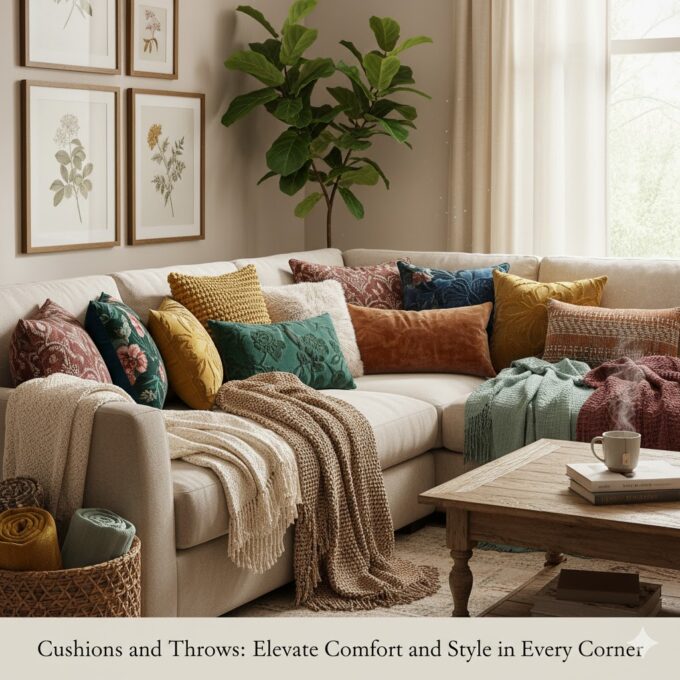
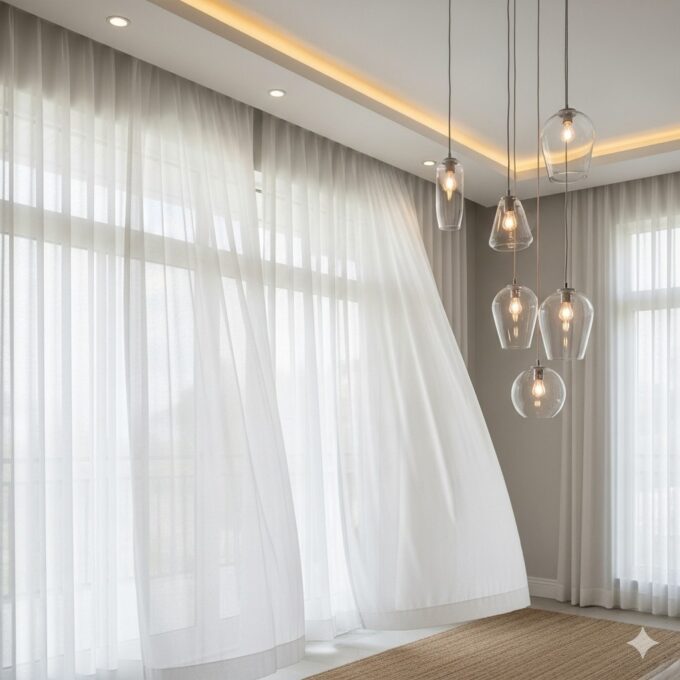
Remote and hybrid work models have evolved significantly, and in 2025, the home office is no longer a temporary corner—it’s a permanent, intentional part of modern living. Today’s setups blend comfort, technology, and design to support both focus and well-being. Whether you’re redesigning your workspace or building one from scratch, here are the top home office setup trends for 2025 to help you work smarter and feel better.
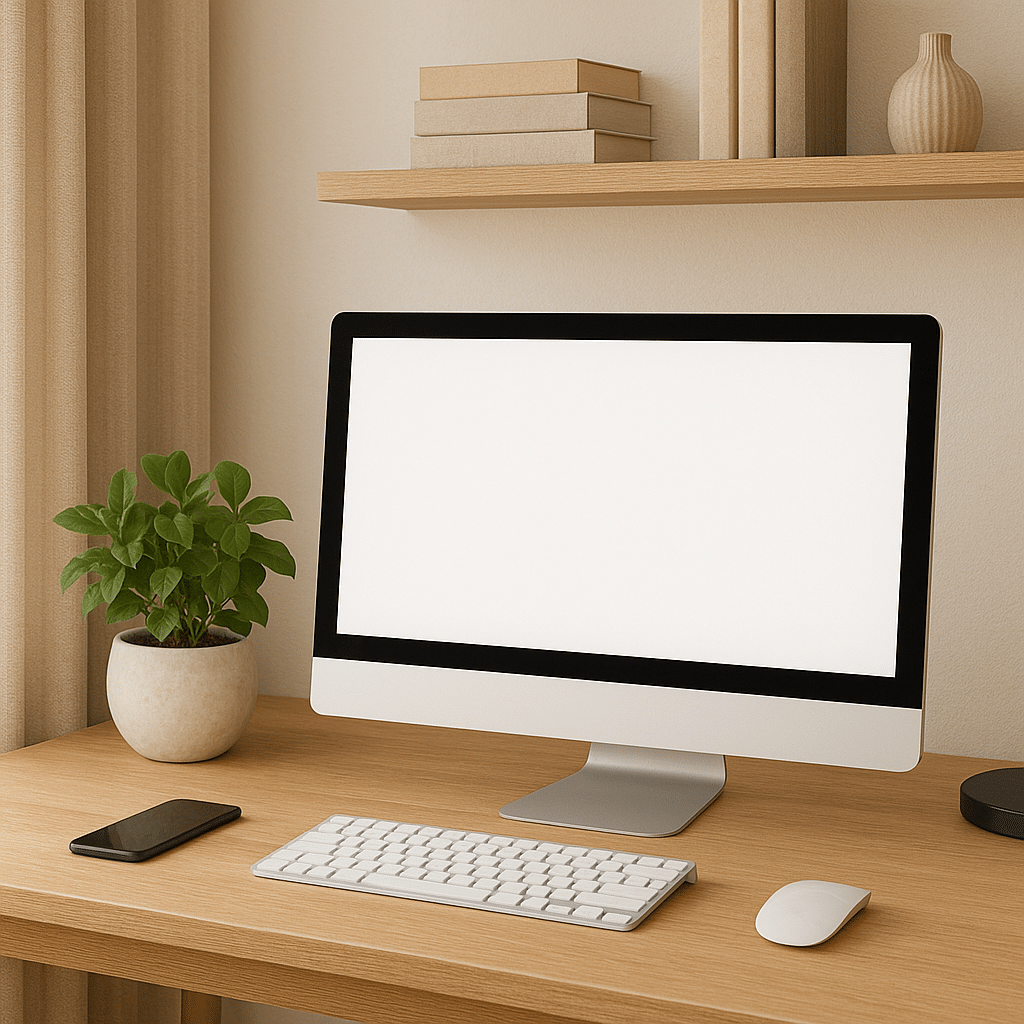
1. Ergonomic Furniture Is Non-Negotiable
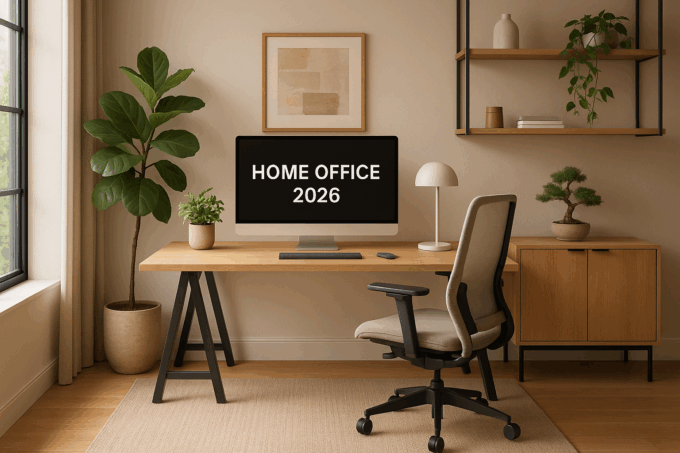
Long hours require smart ergonomic solutions. In 2025, the trend leans toward adjustable desks (both standing and seated), posture-correcting chairs, and footrests that promote circulation. Brands are now offering stylish, sustainable options made from recycled or eco-friendly materials, proving that comfort doesn’t have to come at the cost of aesthetics.
2. Smart Tech Integration for Seamless Workflow
Tech is at the core of every productive home office. Voice-activated assistants, wireless charging pads, dual monitors, noise-cancelling headphones, and LED desk lighting with adjustable brightness are now standard in high-performance setups. Many users also rely on productivity apps and automation tools to manage tasks, schedule breaks, and even track screen time for wellness.
3. Minimalist Design with Personalized Touches
While clean, clutter-free desks are still preferred for focus, 2025 invites more personality into home workspaces. Neutral color palettes like beige, muted greens, or soft terracotta are trending, along with natural materials such as wood, linen, and bamboo. Shelves with books, plants, and meaningful objects help create a space that feels both professional and personal.
4. Lighting and Acoustics Matter More Than Ever
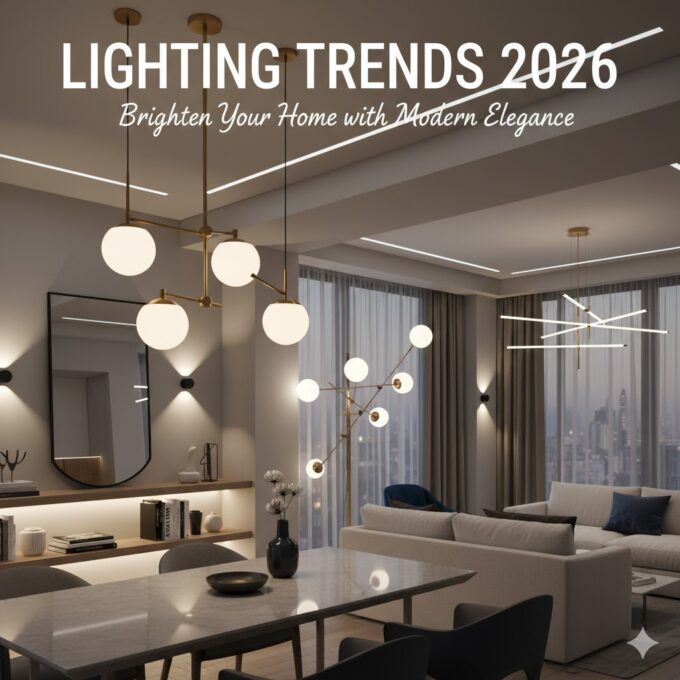
Lighting is key—natural light is ideal, but where it’s lacking, LED daylight lamps or ring lights simulate sunlight and reduce eye strain. Acoustic panels, soft rugs, or even fabric wall art can dramatically improve sound quality, making video calls clearer and the space more serene.
5. Zoned Workspaces for Balance
In small homes or shared spaces, zoning is essential. Use rugs, shelving units, or room dividers to visually separate work zones from living areas. This improves concentration and also helps “mentally log off” after work hours—essential for work-life balance.