Introduction
Interior design trends evolve every year, reflecting changes in lifestyle, technology, and personal taste. Interior design trends for modern homes in 2026 focus on comfort, sustainability, and smart living. While aesthetics remain important, functionality and emotional well-being now play a much bigger role in home design decisions.
1. Minimalism with Warm Touches
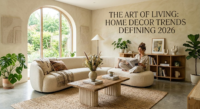
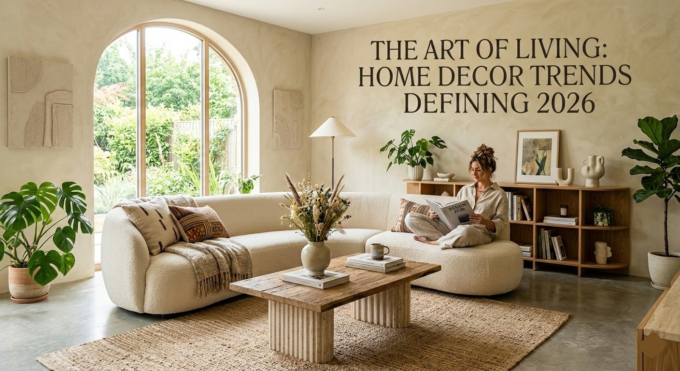
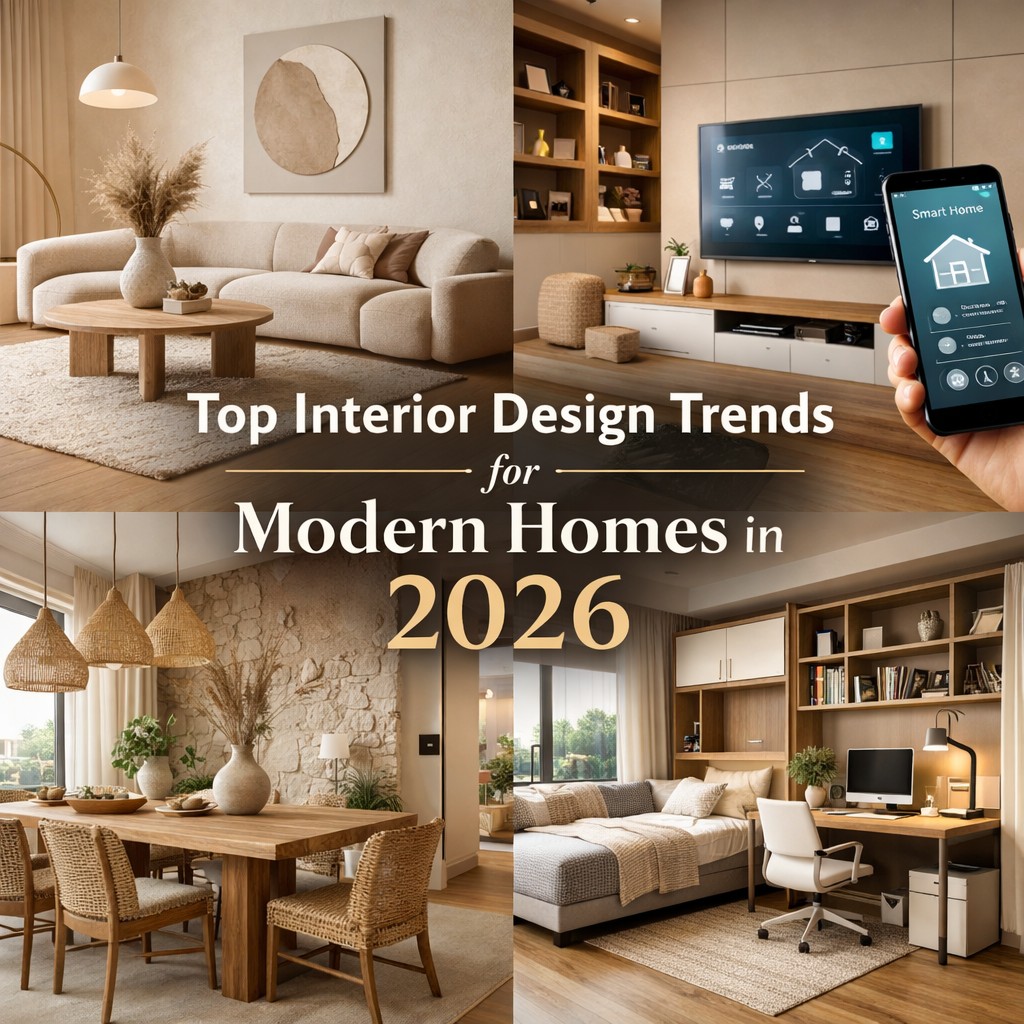
Minimalism continues to dominate modern interiors; however, it is no longer cold or overly simple. In 2026, minimalist spaces are softened with warm textures, curved furniture, and neutral color palettes. Soft beige, warm gray, and earthy tones are widely used to create calm and inviting environments. Additionally, layered lighting helps minimalist spaces feel more comfortable and lived-in.
2. Natural Materials and Sustainable Design
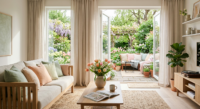
Sustainability is no longer a trend—it’s a necessity. Natural materials such as wood, stone, linen, and clay are increasingly preferred in modern homes. These materials not only add texture and authenticity but also support eco-friendly living. Moreover, recycled furniture and low-impact production methods are becoming key considerations for homeowners who want stylish yet responsible interiors.
3. Smart Homes with Seamless Design
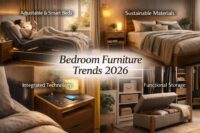
Technology is now an integral part of interior design. Smart lighting systems, voice-controlled appliances, and hidden charging stations are designed to blend seamlessly into living spaces. Rather than standing out, smart features in 2026 are almost invisible, allowing interiors to remain clean and uncluttered while offering maximum convenience.
4. Multifunctional Living Spaces
As remote work and flexible lifestyles continue to grow, multifunctional spaces are more important than ever. Living rooms double as home offices, dining areas transform into creative spaces, and modular furniture offers adaptability. This approach allows homeowners to make the most of limited space without sacrificing style.
Conclusion
In summary, interior design trends for modern homes in 2026 prioritize balance—between style and function, technology and comfort, and beauty and sustainability. By combining warm minimalism, natural materials, smart solutions, and flexible layouts, modern homes become more personal, efficient, and future-ready.