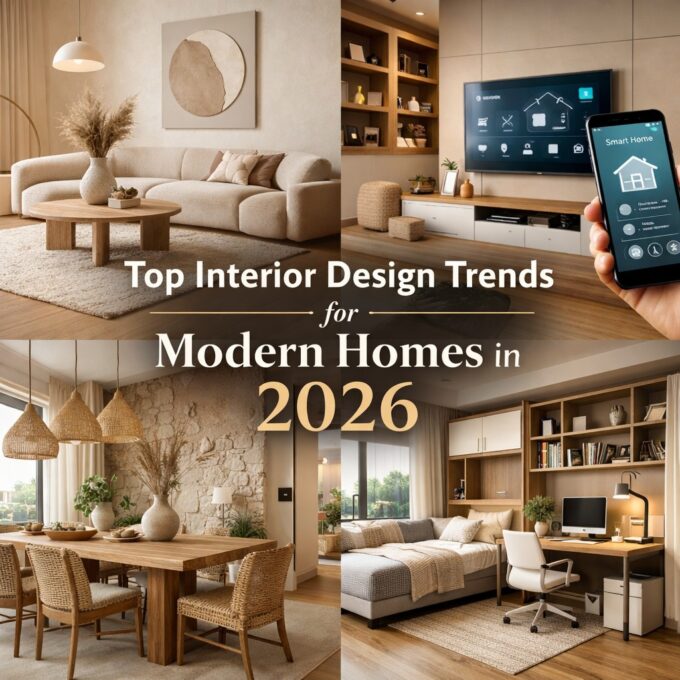
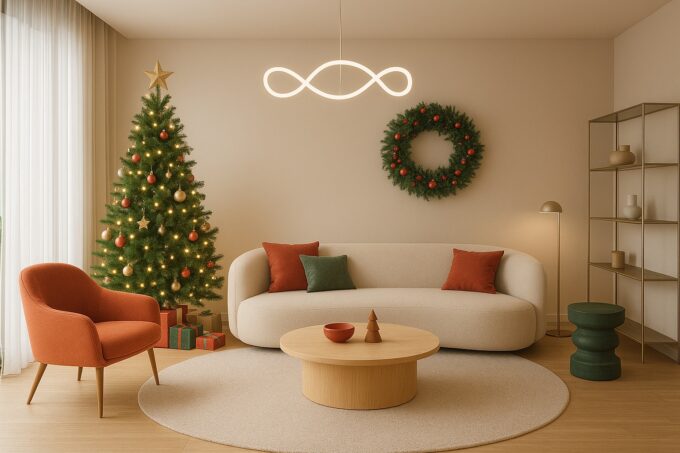
As we settle into 2026, home decoration is undergoing a profound transformation — one that blends the warmth of natural materials with the intelligence of modern design philosophy. This year is not about following fleeting fads. It is about creating spaces that genuinely reflect who you are and how you wish to live.
Warm Minimalism Takes Center Stage
The cold, sterile minimalism of past decades has gracefully given way to something far more inviting. In 2026, designers are embracing warm minimalism — spaces that are clean and uncluttered yet deeply comforting. Think exposed wood grains, undyed linen textiles, handthrown ceramic vessels, and earthy tones that feel as though they were drawn directly from the landscape.
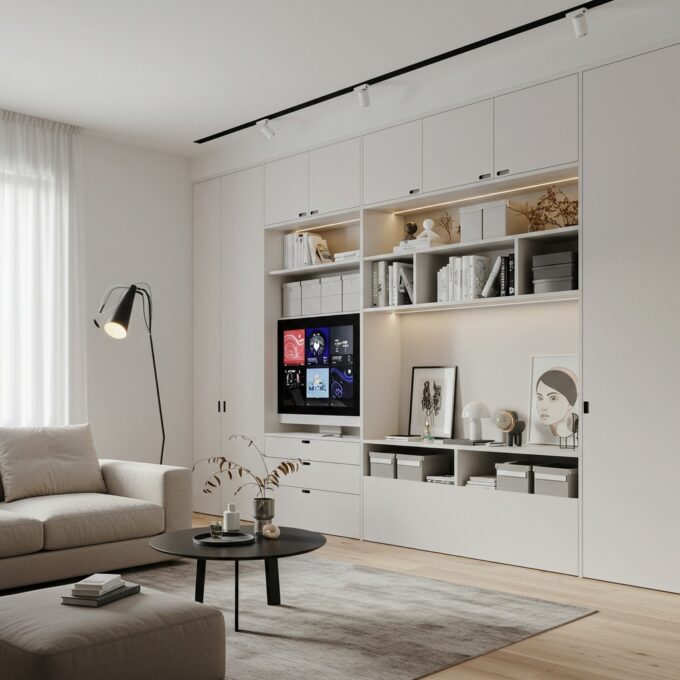
The key principle is intentionality. Every object earns its place. Furniture is chosen for both its sculptural beauty and its function. This approach does not mean empty — it means purposeful. Open shelving styled with a few meaningful objects creates far more atmosphere than walls lined with clutter.
Biophilic Design: Bringing the Outdoors In
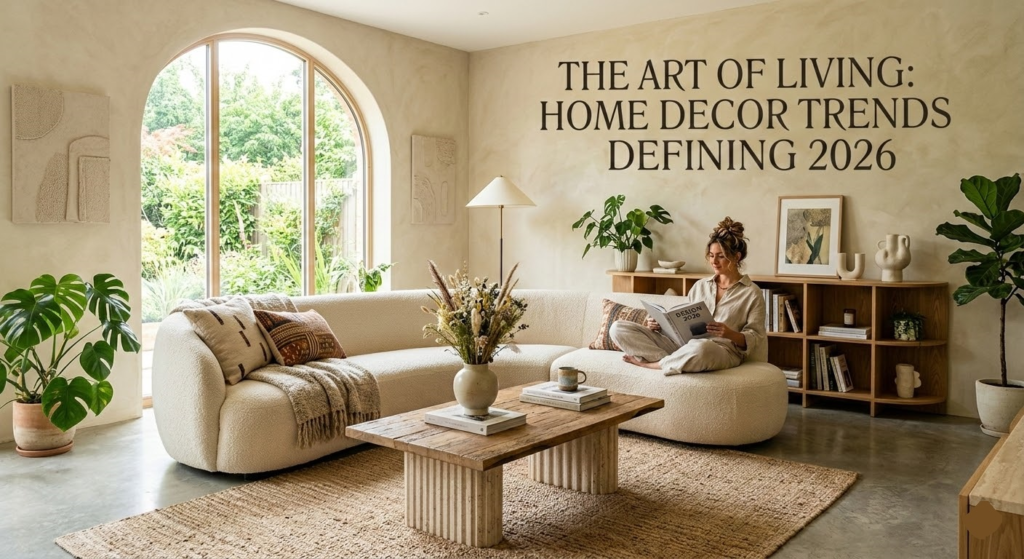
Biophilic design has matured in 2026 from a niche concept into an essential framework for residential interiors. The human need to connect with nature is now treated as a design requirement, not an afterthought. Large indoor plants, living walls, natural stone surfaces, and materials like rattan, jute, and reclaimed timber are central to this movement.
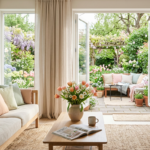
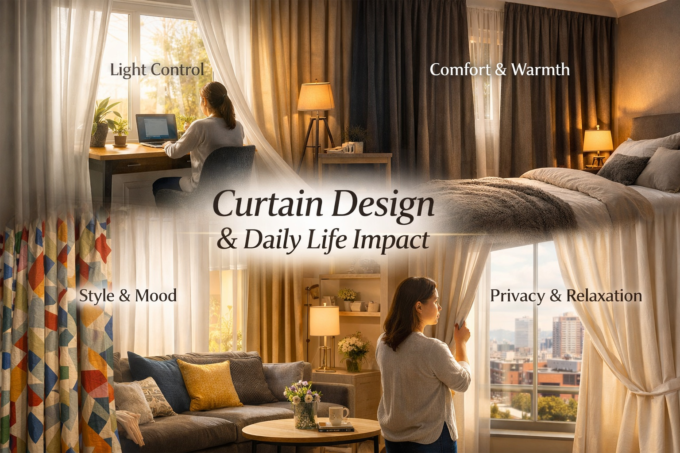
Light plays a critical role. Designers are carefully orienting rooms to maximize natural daylight, incorporating skylights where possible, and using sheer window treatments that blur the boundary between inside and outside. Even in urban apartments, this sense of organic connection can be achieved through thoughtful layering of textures and tones inspired by forests, deserts, and coastal landscapes.
In 2026, the most beautiful homes are those that feel deeply personal — as though no one else on earth could live in them quite the same way.
Artisan Craft & Handmade Authenticity
Mass production is losing its appeal. In 2026, homeowners are actively seeking out handcrafted pieces — pottery with imperfect glazes, woven baskets with visible irregularities, furniture bearing the marks of a craftsperson’s hand. These objects carry stories and a sense of slow, careful making that machine-produced goods simply cannot replicate.
This trend also feeds a growing interest in local artisans and sustainable sourcing. Decorating with intention means understanding where your objects come from, who made them, and whether their creation respects both people and planet. The result is a home that feels genuinely rich rather than merely expensive.
Color: Earthy Depths & Sage Sophistication
The color palette of 2026 is deeply rooted in the earth. Terracotta, dusty sage, warm taupe, ochre, and deep moss green are defining the interiors of this year. These hues work in harmony, creating rooms that feel simultaneously grounded and alive. Paired with off-white or soft cream backgrounds, they avoid heaviness while maintaining rich visual depth.
Accent walls are making a confident return — not in bold neons or stark contrasts, but in moody, enveloping tones like smoked plum, clay red, or deep forest green. The effect is cocooning: a room that wraps around you and invites you to slow down and stay.