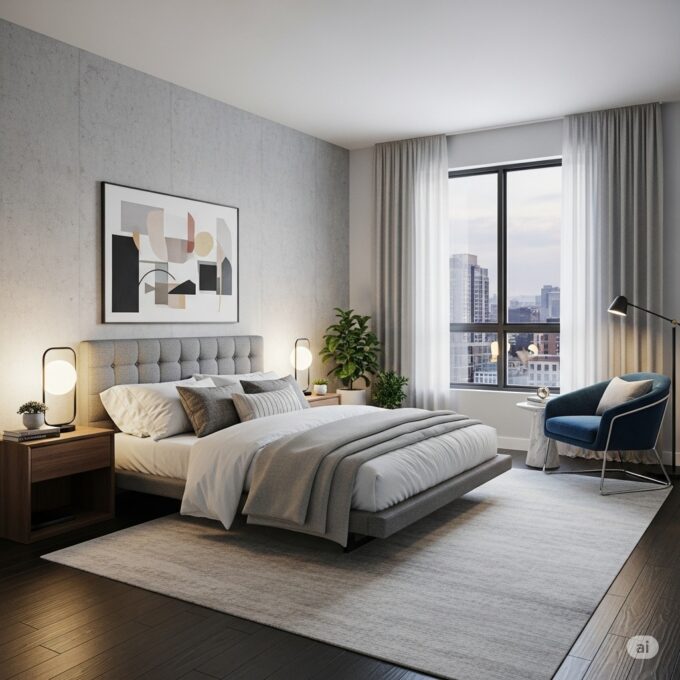
In 2026, bedroom furniture is no longer just about aesthetics—it is about creating a deeply personalized environment that supports physical health, mental well-being, and everyday convenience. As homes continue to evolve into multifunctional spaces, the bedroom has become a sanctuary for rest, digital detox, and mindful living. The latest furniture designs reflect this shift by combining ergonomic innovation, sustainable materials, and smart technology to deliver maximum comfort without sacrificing style.
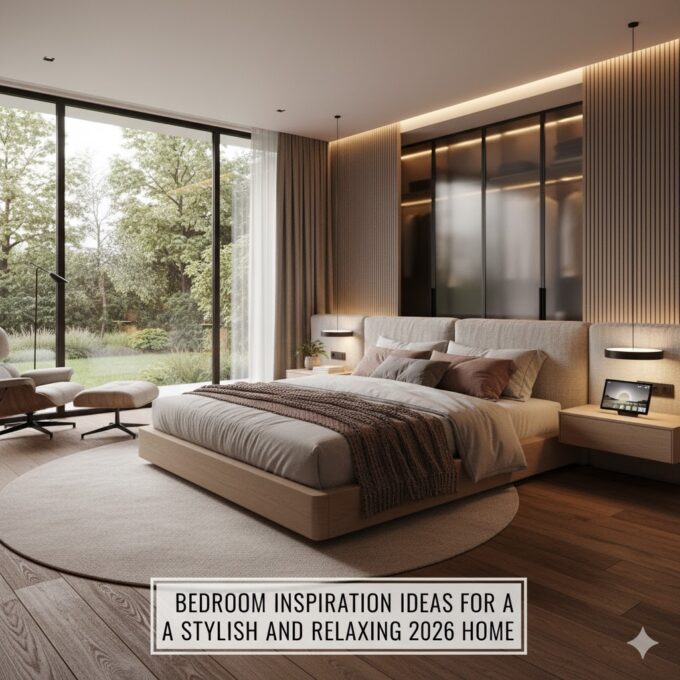
At the center of every bedroom remains the bed, but in 2026 it is more advanced and adaptable than ever before. Adjustable bed frames are increasingly popular, allowing users to customize sleeping positions for improved circulation and spinal alignment. Memory foam and hybrid mattresses infused with cooling technology regulate body temperature throughout the night, responding to the growing demand for uninterrupted, high-quality sleep. Upholstered headboards made from eco-friendly fabrics or recycled fibers add softness while supporting sustainable living values.
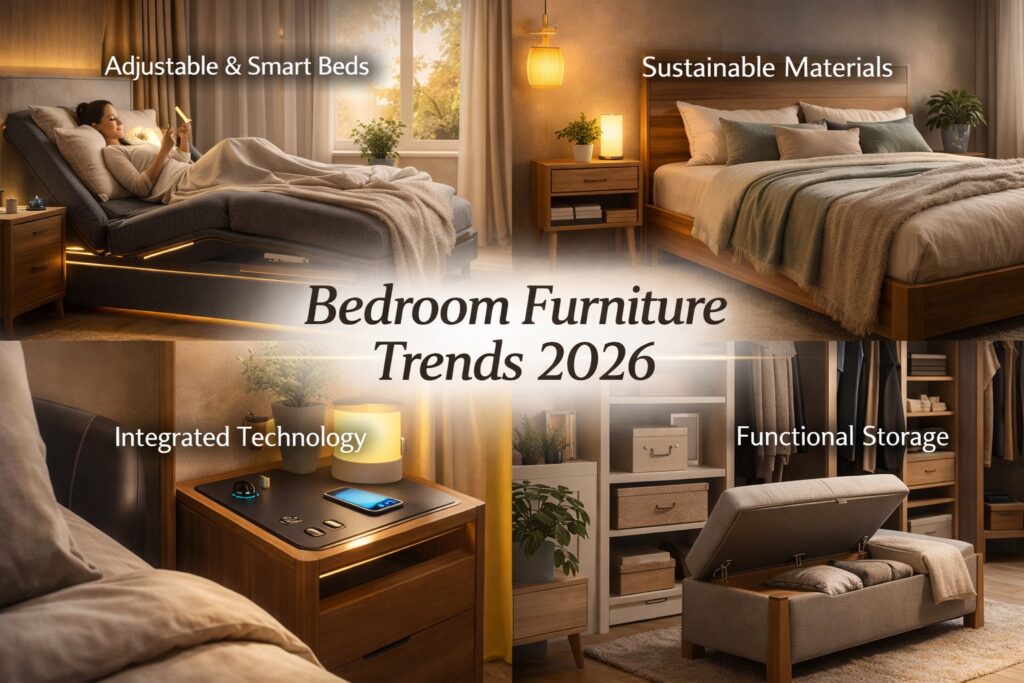
Nightstands and bedside furniture are also evolving to match modern lifestyles. In 2026, many designs integrate wireless charging pads, touch-sensitive lighting, and concealed compartments for devices, making bedtime routines more seamless and clutter-free. Minimalist silhouettes with rounded edges dominate current trends, promoting a sense of calm and visual flow that encourages relaxation.
Storage solutions are another major focus this year. Modular wardrobes, floating cabinets, and multifunctional dressers help maximize space while maintaining a clean, organized appearance. Many systems feature adjustable shelving and soft-close mechanisms, allowing homeowners to tailor storage to their needs while enjoying a quieter, more tranquil atmosphere. Built-in seating benches with hidden compartments at the foot of the bed also add both comfort and practicality.
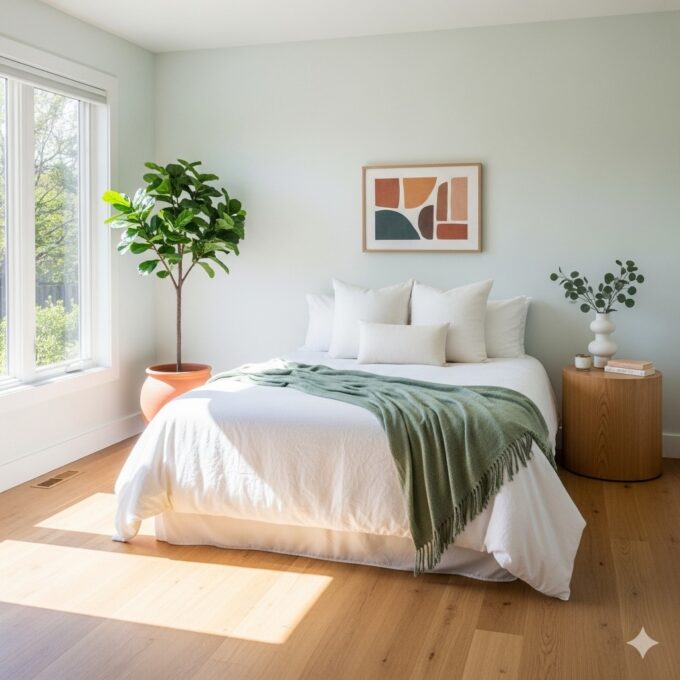
Sustainability continues to shape furniture choices in 2026. Consumers increasingly favor bedroom pieces crafted from responsibly sourced wood, bamboo, recycled metals, and low-VOC finishes. These materials not only reduce environmental impact but also improve indoor air quality—an important factor for restful sleep. Natural textures, such as woven panels or linen upholstery, are paired with warm neutral tones like sand, clay, and soft gray to create soothing visual harmony.
Color palettes and design aesthetics further contribute to comfort. Soft earth shades, muted blues, and nature-inspired greens dominate bedroom interiors, reflecting a broader desire for biophilic design—bringing elements of nature indoors. Curved furniture profiles, layered textiles, and plush upholstered seating enhance the sensory experience of the space, making bedrooms feel cocooning and restorative.
Technology plays a subtle yet impactful role in 2026 bedroom furniture. Smart beds that monitor sleep patterns, lighting systems embedded into headboards, and wardrobes with motion-activated illumination all contribute to convenience without overwhelming the senses. Importantly, these technologies are designed to fade into the background, supporting wellness rather than distracting from it.
In conclusion, bedroom furniture in 2026 is defined by its ability to enhance comfort through intelligent design, sustainability, and personalization. By investing in ergonomic beds, multifunctional storage, calming colors, and eco-conscious materials, homeowners can transform their bedrooms into peaceful retreats that nurture better sleep and healthier daily routines. The modern bedroom is no longer simply a place to sleep—it is a carefully curated environment built for restoration, balance, and long-term well-being.