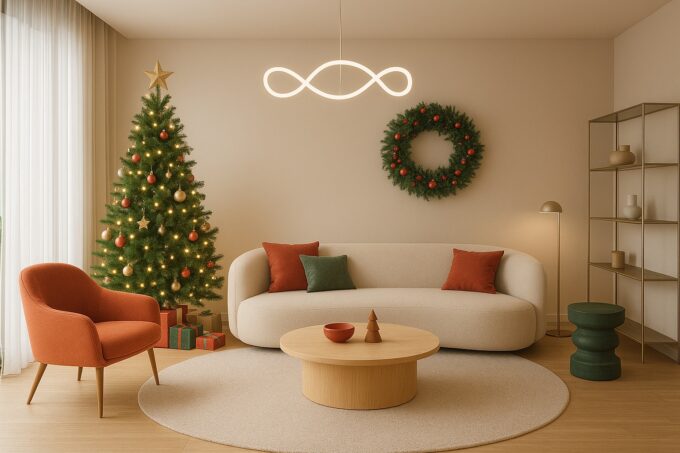
Curtain design is often underestimated in interior decoration, yet it plays a powerful role in shaping both the atmosphere of a home and the emotional well-being of its occupants. Beyond providing privacy or blocking sunlight, curtains influence how we experience space, comfort, productivity, and even mood. When chosen thoughtfully, the right curtain design can transform an ordinary room into a calming sanctuary or an energizing living area.
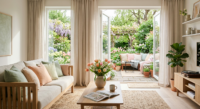
One of the most significant ways curtains affect daily life is through light control. Natural light has a proven impact on human health, regulating sleep cycles, boosting concentration, and improving overall happiness. Sheer curtains allow daylight to filter softly into a room, creating an airy and uplifting environment, while blackout curtains help ensure restful sleep by eliminating unwanted brightness. In workspaces or home offices, adjustable layered curtains can reduce glare on screens, increasing productivity and reducing eye strain.
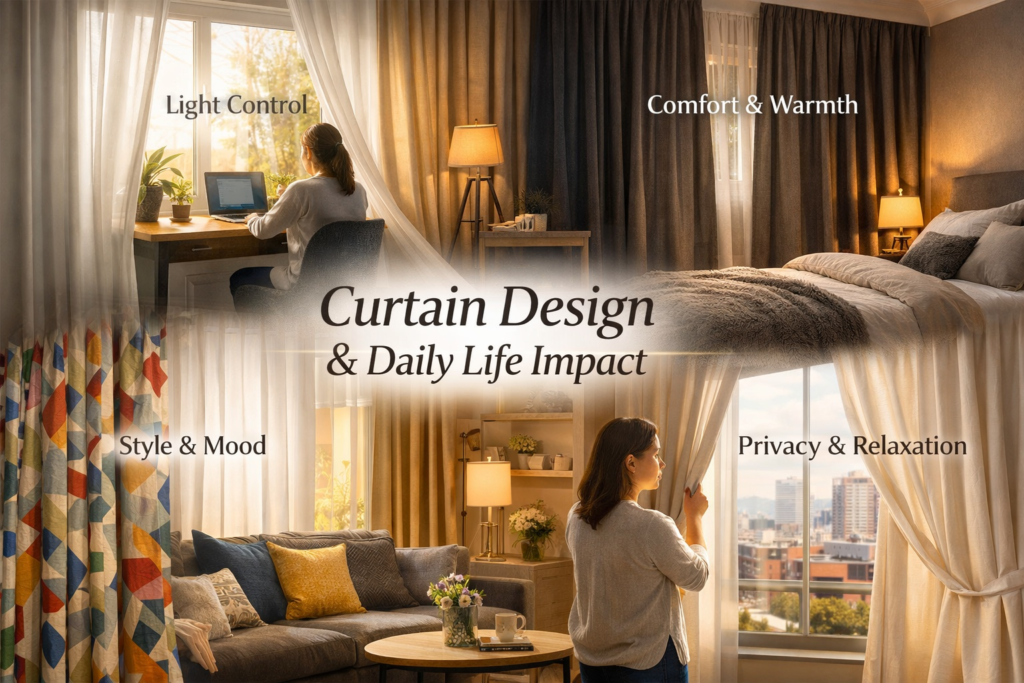
Curtains also contribute strongly to a sense of comfort and warmth. Heavy fabrics such as velvet or lined cotton provide insulation during colder months, helping to maintain indoor temperatures and reduce energy costs. Meanwhile, lightweight linens or voiles encourage airflow in warmer seasons, making rooms feel cooler and more breathable. This practical function blends seamlessly with aesthetics, proving that curtain design is as much about living quality as it is about style.
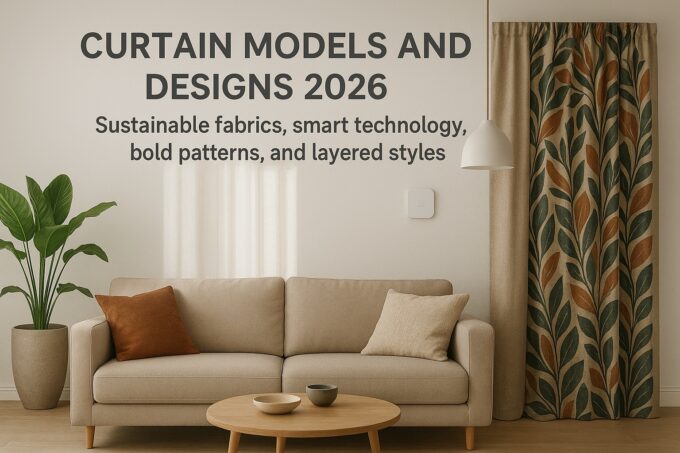
Another important factor is the psychological influence of color and pattern. Soft neutral tones—like beige, gray, or cream—create a relaxing atmosphere, ideal for bedrooms or reading corners. Bold colors or geometric patterns, on the other hand, inject personality and dynamism into living rooms or creative spaces. Floral or organic motifs can bring nature indoors, fostering a sense of tranquility, while vertical stripes may visually raise ceiling height, making rooms feel larger and more open.
Curtains also define privacy and personal boundaries, which are essential for emotional comfort at home. Well-designed window treatments help create safe, intimate environments, especially in urban settings where buildings are close together. This sense of seclusion can reduce stress levels and promote relaxation after long, demanding days.
From a design perspective, curtains act as a unifying element that ties together furniture, wall colors, and accessories. They can soften harsh architectural lines, frame windows elegantly, and establish a visual rhythm within a room. Floor-to-ceiling drapes often add a luxurious, hotel-like quality, while minimalist roller or panel curtains suit modern lifestyles that value simplicity and order.
In today’s homes—where spaces often serve multiple purposes—curtain design becomes even more crucial. Living rooms double as work areas, bedrooms as meditation zones, and dining spaces as social hubs. Flexible curtain systems, such as layered sheers combined with thicker outer panels, allow residents to adapt lighting and mood throughout the day, supporting both functionality and emotional balance.
In conclusion, curtain design extends far beyond decoration. It shapes how light enters our homes, influences comfort levels, affects mental well-being, and enhances personal expression. By selecting fabrics, colors, and styles that align with lifestyle needs, homeowners can create interiors that are not only visually appealing but also supportive of healthier, happier daily living.