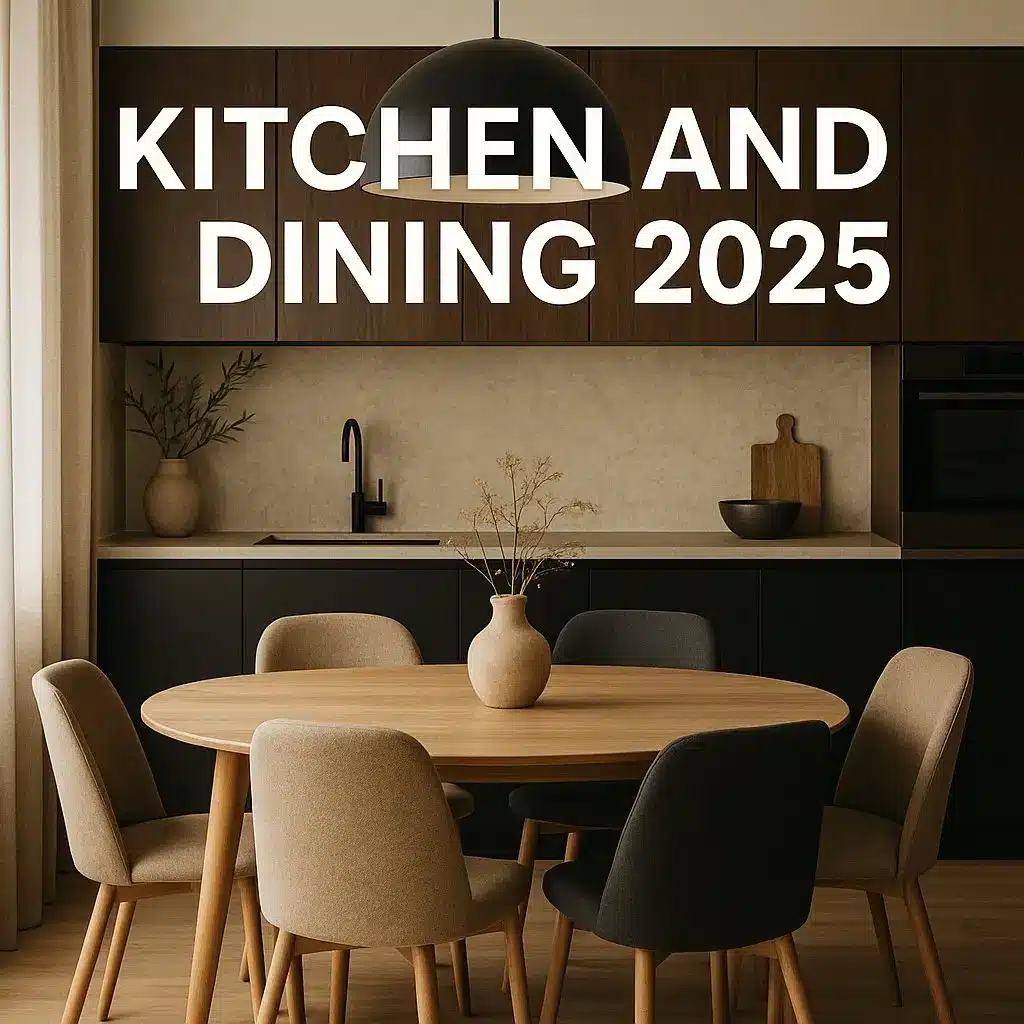
As we approach 2026, the kitchen and dining areas continue to transform into multifunctional, stylish, and highly efficient spaces. No longer designed solely for cooking and eating, these rooms now serve as social hubs, creative corners, and wellness-focused environments. Homeowners are embracing innovative layouts, advanced technologies, and warm, inviting aesthetics that elevate both comfort and convenience. In this article, we explore the top kitchen and dining trends defining 2026.
Warm Minimalism Creates a Relaxing Atmosphere
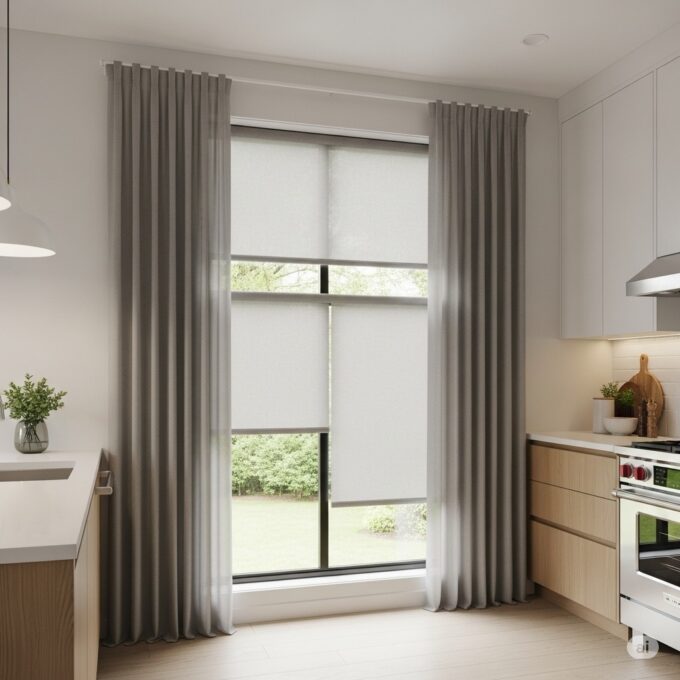
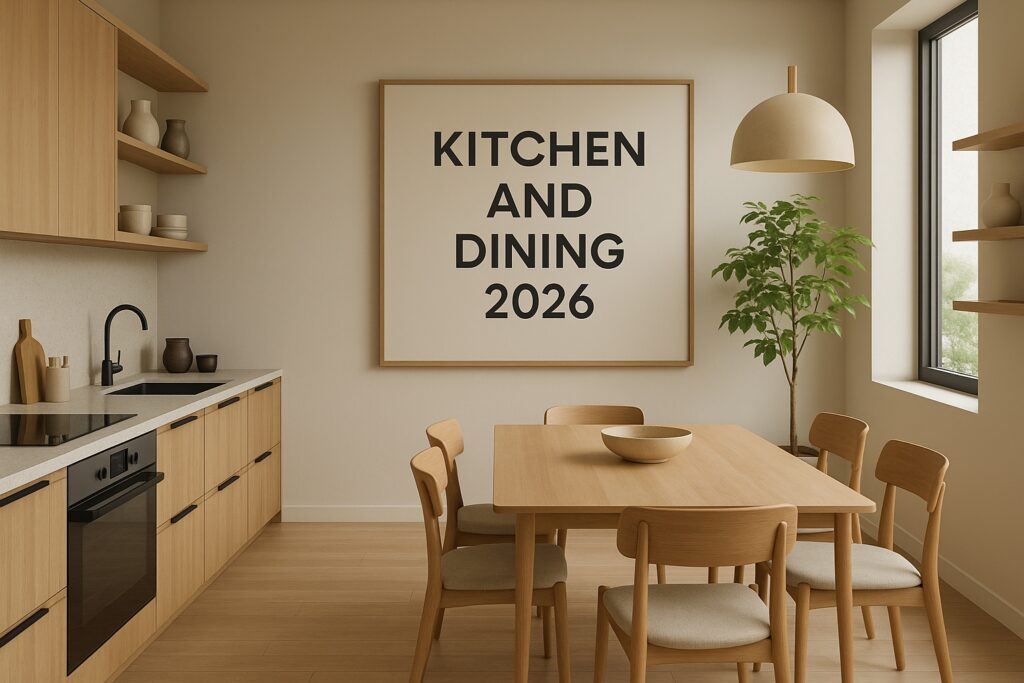
Minimalism remains influential, but in 2026 it takes on a softer, cozier approach. Instead of cold, stark designs, homeowners are adopting warm minimalism characterized by soft neutrals, matte finishes, and natural textures. Light-toned wood, beige stone, and muted color palettes create a sense of harmony. Additionally, concealed storage solutions and handleless cabinetry keep the kitchen neat and clutter-free, enhancing the feeling of spaciousness. This refined simplicity allows the space to feel both elegant and comfortable.
Smart Kitchens for Effortless Living
Technology continues to accelerate kitchen innovation in 2026. Smart appliances—such as AI-powered ovens, app-controlled refrigerators, and voice-activated faucets—have become essential for modern households. Furthermore, integrated lighting systems with motion sensors, smart cooking assistants, and energy-efficient induction cooktops simplify everyday tasks. As these features become more accessible, homeowners gain more control, convenience, and sustainability in their daily routines.
Statement Dining Spaces Encourage Togetherness
Dining areas are evolving into more expressive and experience-focused spaces. While open-concept floor plans remain popular, 2026 introduces more defined dining zones that foster connection and intimacy. Designers are incorporating bold chandeliers, sculptural tables, and textured fabrics to highlight the dining area as an intentional gathering spot. Additionally, curved furniture silhouettes and soft upholstered chairs add a sophisticated yet inviting touch. These design choices transform mealtime into a memorable ritual.
Sustainable Materials and Eco-Conscious Design
Environmental awareness plays a significant role in shaping kitchen and dining designs for 2026. Many homeowners are choosing eco-friendly materials such as recycled quartz countertops, reclaimed wood shelves, and bamboo cabinetry. Water-saving faucets, energy-efficient appliances, and low-VOC paints contribute to a healthier home. This sustainability-first mindset not only benefits the environment but also increases long-term value and durability.
The Rise of Multifunctional Dining Areas
With more people working, studying, and socializing at home, the dining area has become a flexible space. In 2026, multifunctional layouts dominate design trends. Adjustable-height tables, modular seating, and expandable surfaces accommodate everything from dinner gatherings to remote work sessions. Furthermore, built-in bench seating and compact storage solutions maximize efficiency without compromising style. This adaptability ensures that the dining room remains relevant to today’s dynamic lifestyles.
Bold Backsplashes and Textured Surfaces
Kitchen aesthetics are becoming more expressive through materials and textures. Bold stone veining, matte black fixtures, and tactile tiles introduce character and depth. Textured backsplashes—such as ribbed ceramic tiles and hand-crafted mosaics—add dimension and visual interest. These artistic elements turn the kitchen into a standout design feature while maintaining practicality.