Industrial decoration has become a timeless choice for homeowners who love an edgy, urban aesthetic. Drawing inspiration from old factories and warehouses, this style beautifully blends raw elements with modern functionality. Whether you’re living in a spacious loft or want to introduce an industrial vibe into a small apartment, there are countless ways to incorporate this trend into your home.
Why Choose Industrial Decoration?
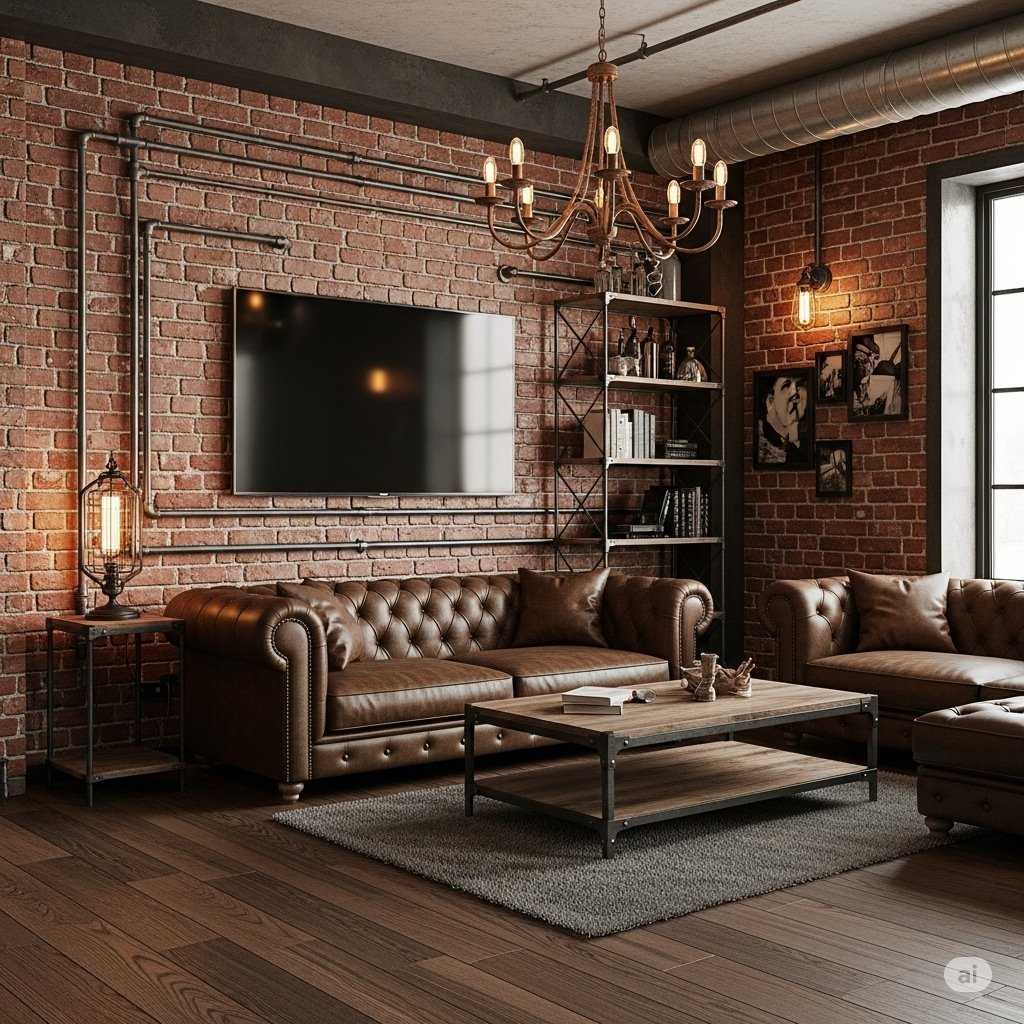
Industrial decoration stands out for its unpolished charm and authenticity. Exposed brick walls, visible pipes, and rough wooden surfaces create a space that feels both rugged and warm. By embracing imperfections, you give your home a story — a sense of history and character that sleek modern interiors sometimes lack.
Moreover, this style is highly flexible. You can pair vintage leather sofas with sleek metal coffee tables or add contemporary lighting to highlight rustic textures. This mix of old and new keeps the space dynamic and inviting.
Key Elements to Include
To achieve a true industrial look, focus on these essential components:
- Raw materials: Concrete floors, reclaimed wood beams, and metal fixtures are staples. They provide texture and depth.
- Neutral color palette: Stick to shades like grey, black, brown, and white. These colors create a calm backdrop that highlights your décor pieces.
- Open spaces: Industrial interiors often favor open layouts. Removing unnecessary partitions maximizes light and gives the area an airy feel.
- Functional décor: Think metal shelving, vintage storage trunks, and factory-style pendant lights. Each piece should blend utility with style.
Using these elements ensures your space feels cohesive and true to the industrial spirit.
How to Personalize Industrial Decoration
Although industrial decoration has a strong, defined look, you can still make it your own. Add plush rugs, oversized cushions, or indoor plants to soften hard surfaces. Incorporate artwork or unique antiques that tell your personal story. Playing with different textures — such as combining soft textiles with rough brick or metal — helps achieve balance.
Transitioning to industrial style doesn’t have to be expensive. Start with small changes like swapping light fixtures or introducing a distressed wooden coffee table. Gradually layering in pieces will let your design evolve organically.